
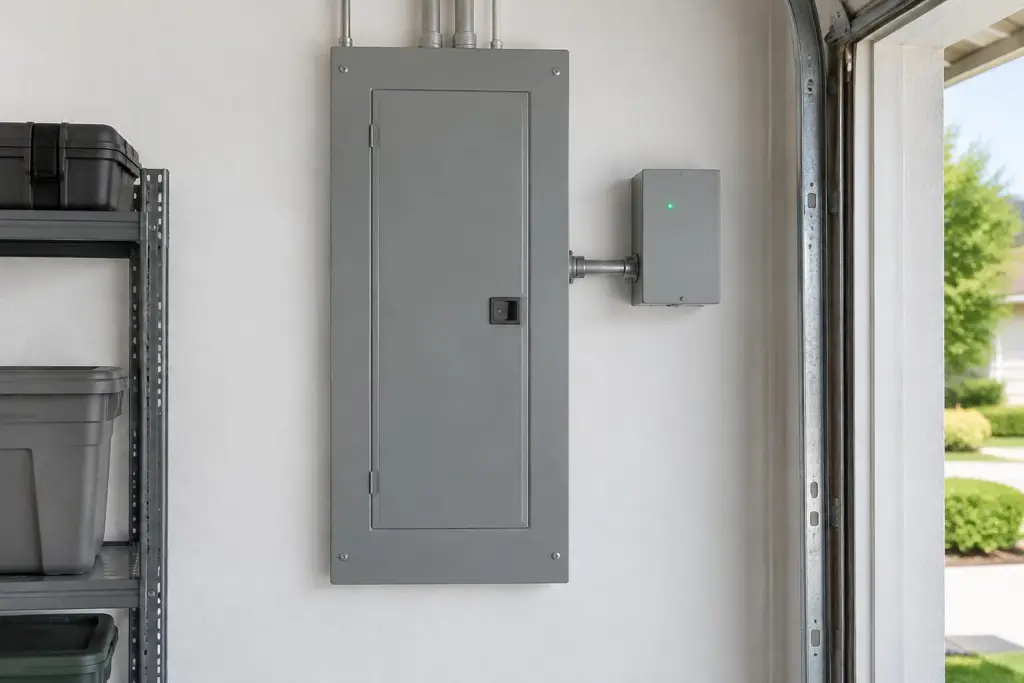
Florida homeowners are familiar with thunderstorms, lightning, and unexpected power outages. What many don't realize is that electrical surges can also occur during routine utility switching or when large appliances cycle on and off. These sudden voltage spikes can damage sensitive electronics, appliances, and electrical equipment.
Whole-home surge protection provides an additional layer of defense by limiting transient voltage spikes before they reach the circuits supplying your home. ABE'S Electric, a licensed electrical contractor serving Orlando, Kissimmee, and communities throughout Central Florida, installs whole-house surge protective devices designed to help reduce the risk of electrical damage.
Key Takeaways
- Whole-home surge protection helps reduce the risk of electrical damage from voltage spikes caused by lightning-related events, utility switching, and certain electrical loads.
- A whole-house surge protector is typically installed at or near the home's main electrical panel to protect multiple circuits.
- Whole-home protection works best when combined with point-of-use surge protectors for sensitive electronics.
- No surge protective device can guarantee protection against every electrical surge or a direct lightning strike.
- Professional installation ensures the equipment is properly selected, connected, and compatible with the home's electrical system.
What Is Whole-Home Surge Protection?
A whole-home surge protector is an electrical safety device designed to limit sudden voltage spikes that can travel through a home's electrical system.
Under normal operating conditions, electricity flows through household circuits at a relatively stable voltage. A transient surge occurs when voltage briefly rises above its normal operating range.
Although many surges are brief, they can place stress on the electronic components found in household appliances and equipment.
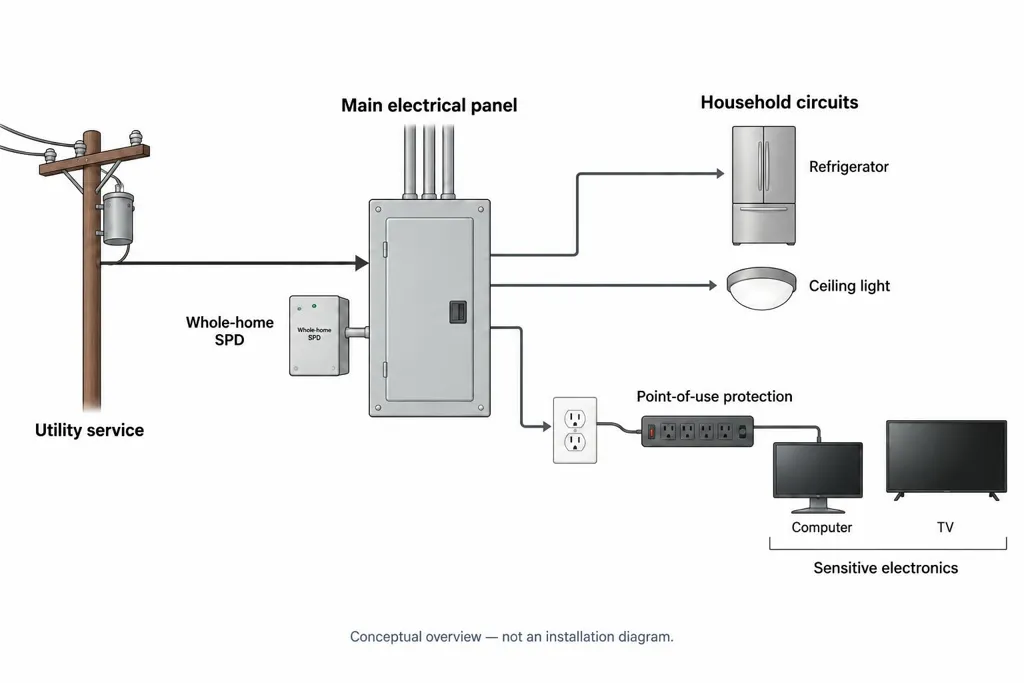
A whole-home surge protective device (SPD) is generally installed at or near the main electrical service equipment. When a voltage spike occurs, the device limits the transient overvoltage and diverts surge current through the electrical system's intended protective pathways, helping reduce the voltage reaching connected equipment.
What Causes Electrical Surges?
Electrical surges can originate outside or inside the home.
Common sources include:
- Lightning-related activity: Nearby lightning strikes can induce voltage spikes on electrical and utility lines, even when the home is not directly struck.
- Utility switching: Changes in electrical distribution equipment and certain utility operations can produce transient voltage events.
- Large electrical loads: Air conditioners, pool pumps, and other motor-driven equipment can generate smaller switching transients during operation.
- Electrical disturbances: Certain faults and switching events can create abnormal voltage conditions that may affect connected equipment.
Not every electrical disturbance is a surge. Persistent voltage problems, loose electrical connections, and overloaded circuits require separate diagnosis and corrective work.
What Equipment Can Benefit From Surge Protection?
Modern homes contain numerous electronic components that may be vulnerable to transient overvoltage.
Examples include:
- Air-conditioning systems and electronic control boards.
- Refrigerators, washers, dryers, and other major appliances.
- Televisions, computers, and home networking equipment.
- Smart thermostats and home automation devices.
- Security cameras and alarm systems.
- Connected lighting controls and other electronic equipment.
Whole-home surge protection helps reduce the exposure of these devices to electrical transients, but it does not guarantee that every connected appliance will be protected from every event.
Why Is Surge Protection Important for Florida Homes?
Florida's frequent thunderstorms make electrical surge protection particularly relevant for homeowners throughout Central Florida.
Lightning does not need to strike a home directly to create problems. Nearby strikes can induce voltage spikes on power lines and other conductors connected to a building.
Surges can also occur independently of thunderstorms, making protection useful throughout the year.
Lightning and Severe Weather
Lightning can introduce substantial electrical energy into nearby utility infrastructure and conductive systems.
A properly installed surge protective device can help reduce some of the resulting transient overvoltages entering a home's electrical distribution system.
However, a whole-home surge protector is not a lightning protection system and cannot guarantee protection from a direct strike.
Homes requiring protection against direct lightning strikes may need a separate, professionally designed lightning protection system that includes air terminals, conductors, grounding, bonding, and coordinated surge protection.
Everyday Electrical Activity
Not all damaging surges are associated with dramatic weather events.
Air-conditioning compressors, pool pumps, and other equipment can produce switching transients during normal operation.
Although these events are generally smaller than severe lightning-related surges, repeated electrical stress can contribute to the deterioration of sensitive electronic components.
Whole-home surge protection can help limit certain transient events before they reach connected equipment.
Increasing Dependence on Electronics
Modern households rely on electronic control systems for everyday activities.
Refrigerators, air-conditioning systems, smart appliances, computers, and home networking equipment often contain circuit boards that may be expensive to repair or replace.
Surge protection is one practical measure homeowners can take to reduce unnecessary exposure to voltage spikes.
Whole-Home Surge Protection vs. Power Strip Surge Protectors
Many homeowners already use surge-protected power strips for televisions, computers, or other electronics.
These products serve an important purpose, but they do not replace protection installed at the electrical panel.
A comprehensive approach typically combines protection at the electrical service with additional point-of-use protection for sensitive equipment.
How Do the Two Types Compare?
| Feature | Whole-Home Surge Protector | Point-of-Use Surge Protector |
|---|---|---|
| Installation | At or near electrical service equipment | At an outlet or connected device |
| Coverage | Helps protect multiple household circuits | Protects equipment connected through the device |
| Primary purpose | Limits transients entering or traveling through the electrical distribution system | Provides additional protection near sensitive electronics |
| Installation requirements | Qualified electrical installation | Typically plugs into a compatible outlet |
| Limitations | Cannot eliminate every surge or guarantee protection against direct lightning | Limited to connected equipment and the device's capabilities |
Why Both Types Matter
A panel-mounted surge protective device provides an important first layer of protection for the home's electrical system.
Point-of-use surge protectors add another layer near sensitive electronics, helping address residual voltage spikes that may remain after the panel-mounted device responds.
Equipment connected through cable, telephone, or data lines may also require protection appropriate to those connections.
For many homeowners, layered surge protection offers a more comprehensive approach than relying exclusively on a single device.
Does Your Home Need a Whole-House Surge Protector?
Whole-home surge protection is worth considering for homeowners seeking to reduce the risk of damage to appliances and electronic equipment.
It may be especially relevant when:
- Your home has no existing surge protection. Older electrical installations may not include a panel-mounted surge protective device.
- You are replacing or upgrading your electrical panel. Electrical service work provides an opportunity to evaluate surge protection requirements and equipment compatibility.
- Your household relies on sensitive electronics. Computers, entertainment systems, smart appliances, and home automation equipment can benefit from layered protection.
- You have experienced surge-related equipment damage. A qualified electrician can evaluate your electrical installation and determine whether additional protection is appropriate.
- You are installing new electrical equipment. Homeowners adding electric vehicle chargers, standby generators, or other significant electrical equipment may want to review their surge protection strategy at the same time.
A whole-house surge protector is not a substitute for correcting electrical faults, damaged wiring, improper grounding, or other safety concerns.
If you are experiencing repeated breaker trips, persistent flickering, burning odors, or unusual electrical behavior, schedule an electrical inspection rather than assuming surge protection will resolve the problem.
How Is a Whole-Home Surge Protector Installed?
Professional installation begins with an evaluation of the home's electrical equipment and existing protection.
ABE'S Electric provides whole-house surge protection installation throughout Central Florida, including Orlando, Kissimmee, St. Cloud, and surrounding communities.
What Happens During Installation?
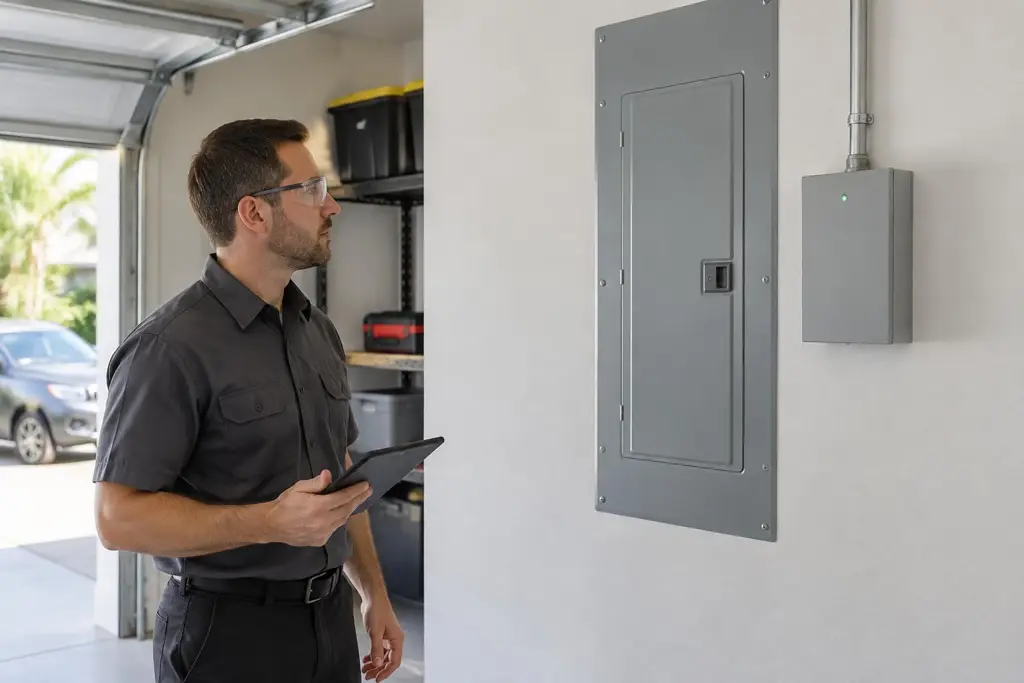
- Inspect the electrical panel. A licensed electrician evaluates the service equipment, panel configuration, available installation space, and general electrical condition.
- Review grounding and bonding. The electrician checks relevant grounding and bonding connections because proper installation and system integrity are important to surge protection performance.
- Select compatible equipment. An appropriate surge protective device is chosen according to the electrical system, manufacturer specifications, and applicable code requirements.
- Install the surge protector. The device is installed in an approved location using suitable electrical connections and protective equipment where required.
- Verify operation. The electrician checks the installation, reviews device status indicators where provided, and confirms that the equipment has been installed according to applicable requirements.
- Explain maintenance and monitoring. The homeowner receives information about checking the device's protection status and recognizing when professional evaluation or replacement may be needed.
Can Surge Protection Be Added to an Existing Electrical Panel?
In many cases, yes.
A compatible whole-home surge protective device can be added without replacing the entire electrical panel.
However, installation options depend on the panel's condition, configuration, available space, and compatibility with the selected device.
If the panel is outdated, damaged, or unsuitable for the installation, additional electrical work may be necessary.
ABE'S Electric also provides electrical panel upgrades when the existing equipment requires replacement or modification.
What Affects Whole-Home Surge Protector Installation Costs?
Whole-home surge protector installation costs depend on the equipment selected, the home's existing electrical configuration, and the amount of labor required.
Several factors influence pricing.
Surge Protector Type and Specifications
Surge protective devices are available with different electrical ratings, installation configurations, and monitoring features.
Type 1 and Type 2 surge protective devices are commonly used in residential electrical systems, with the appropriate selection depending on their intended installation location and the electrical equipment involved.
The device must be properly rated and suitable for the application.
Electrical Panel Compatibility
A straightforward installation on a compatible electrical panel may require less labor than a project involving additional wiring, panel modifications, or corrections to existing electrical conditions.
A licensed electrician should evaluate the installation before determining the final scope of work.
Grounding and Bonding Requirements
Surge protection performance depends partly on the condition and configuration of the electrical system.
If grounding or bonding deficiencies are discovered, corrective work may be recommended or required.
These issues should be addressed independently of the surge protector installation.
Permits and Additional Electrical Work
Applicable permitting requirements, inspections, and related electrical modifications can also affect the total project cost.
Rather than relying on a generic online price, homeowners should request an estimate based on their property's actual electrical system.
ABE'S Electric evaluates the required work and provides written estimates so homeowners can understand the recommended installation and associated costs.
Can Whole-Home Surge Protection Be Installed With Other Electrical Upgrades?
Yes. Surge protection is often considered when homeowners make improvements to their existing electrical systems.
Common opportunities include:
- Electrical panel upgrades: Adding surge protection while replacing or modifying service equipment.
- Standby generator installation: Evaluating surge protection as part of a broader backup power project.
- EV charger installation: Reviewing electrical protection when adding new charging equipment.
- Home renovations: Assessing the electrical system when new circuits or sensitive electronics are introduced.
Surge protection and backup power serve different purposes. A standby generator supplies electricity during an outage, while surge protective devices help limit certain transient overvoltages.
Neither system replaces the other.
Homeowners interested in backup power can also explore ABE'S Electric's standby generator installation services.